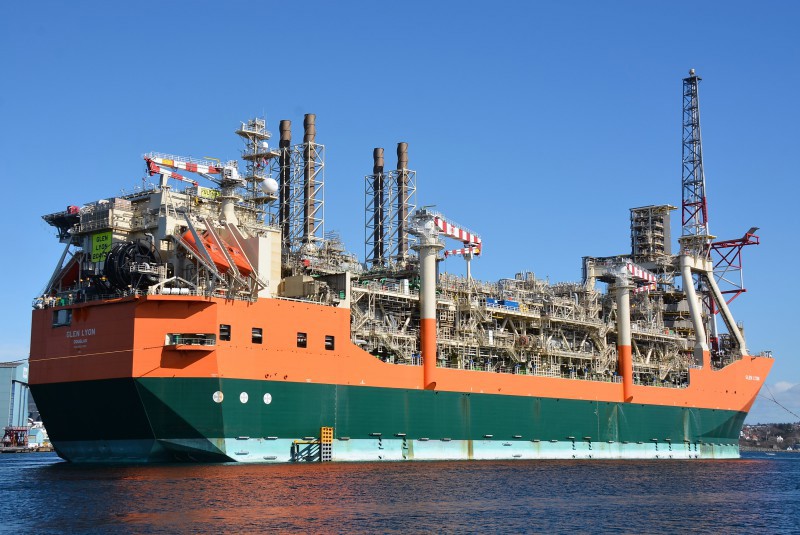
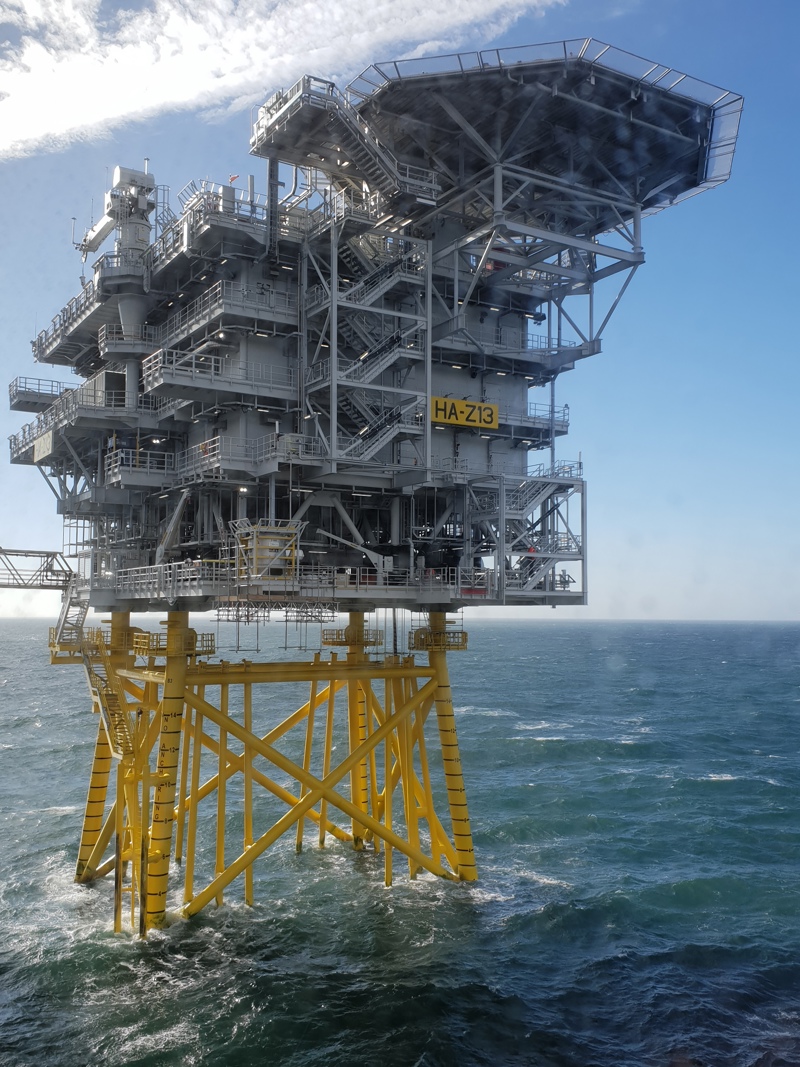
Current portfolio
-

ESVAGT
DenmarkTransport & logistics
Energy transition
Overview
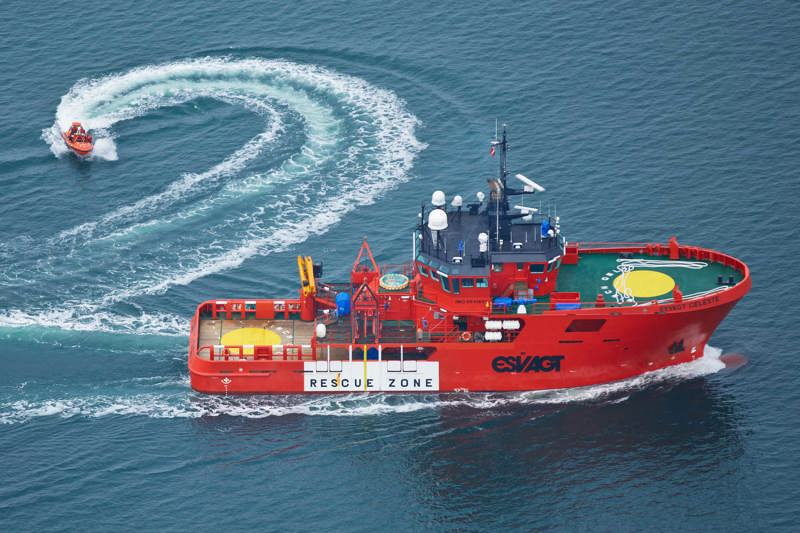
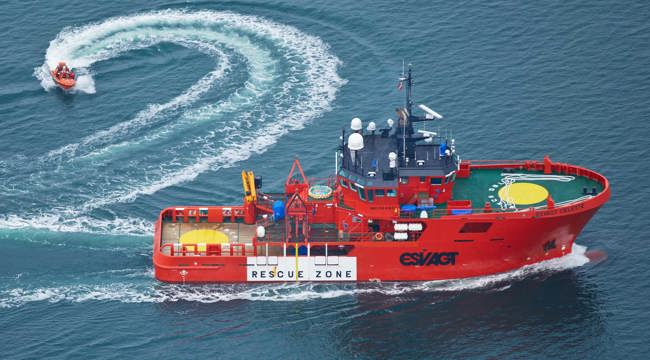
Headquartered in Esbjerg, Denmark, ESVAGT is the market leader in the fast-growing segment of service operation vessels (“SOV”) for the global offshore wind industry. The Company is also a leading provider of emergency rescue and response vessels (“ERRV”) and related services to the offshore energy industry in and around the North Sea and the Barents Sea.
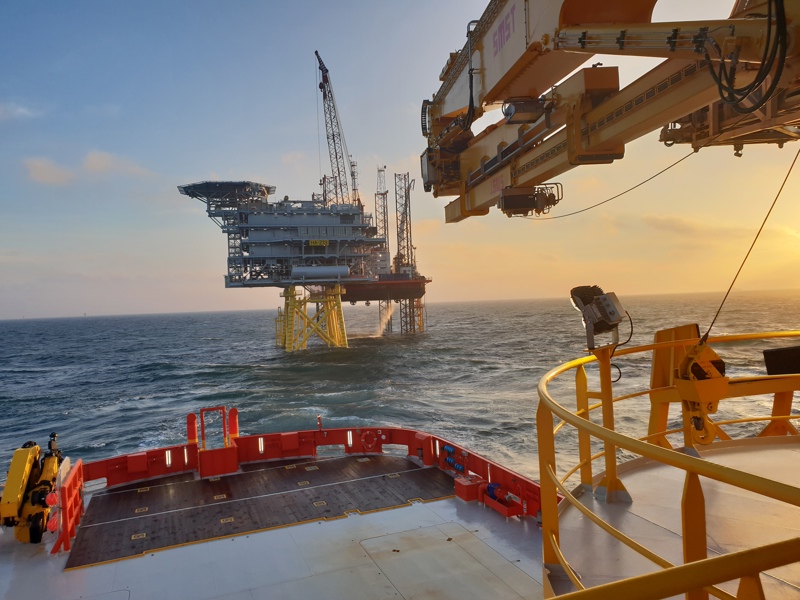
ESVAGT is the pioneer and market leader in the provision of SOVs to offshore wind farms, with twelve SOVs in operation and a further three under construction. SOVs are purpose-built, high performance vessels, providing efficient transport of maintenance technicians to wind turbines and other offshore wind equipment, under long term contracts. The offshore wind market, and hence demand for SOVs, is expected to grow strongly over the coming years, creating significant opportunities for the company.
Its ERRV services mainly involve the rescue and recovery of personnel, but also include the dispersion and recovery of oil spills, crew transfers and towing. ESVAGT is the leading provider of ERRV services in Denmark and Norway, with market shares of approximately 100% and 50%, respectively, as well as an established and growing presence in the UK. The majority of ESVAGT’s ERRV revenues are associated with North Sea oil and gas production support, with the remainder generated by supporting exploration activity.
ESVAGT has been operating since 1981, employs over 1,200 people and owns a fleet of more than 40 vessels.
Recent developments
ESVAGT had an important year, with its SOV fleet increasing by a third from nine to 12 vessels through the delivery of one newbuild and the acquisition of two operational vessels.
During the year, ESVAGT delivered its first dual-fuel e-methanol SOV for Ørsted, marking a significant milestone. The hybrid-powered vessel, equipped with battery and dual-fuel technology, is supporting operations at the Hornsea 2 offshore wind farm in the UK North Sea. However, the later-than-planned delivery required existing vessels to operate as frontrunners for longer, limiting spot market exposure and weighing on short-term performance. A further three SOVs are under construction.
ESVAGT also acquired two operational SOVs from Edda Wind on long-term contracts, providing an immediate EBITDA contribution and establishing M&A as a new route to growth.
European offshore wind fundamentals remain positive, supported by a strong tender pipeline and the reaffirmation by European governments of a 300GW North Sea capacity target by 2050. In the US, policy uncertainty led to delays in wind farm construction, although projects have since resumed. In contrast, South Korea represents an attractive growth market, with the KESTO joint venture securing its first two crew transfer vessel contracts ahead of forthcoming SOV tenders.
ESVAGT was also affected by continued weakness in the UK ERRV market, driven by the ongoing windfall tax on oil and gas companies in the UK. However, the market has seen recent fleet reductions have tightened supply, and utilisation and day rates are expected to improve in 2026.
Investment rationale
3i Infrastructure acquired ESVAGT from AP Møller-Maersk and other minority shareholders in September 2015, in a consortium with AMP Capital.
ESVAGT has strong infrastructure characteristics and operates in an attractive market:
- It is a market leader in Denmark and Norway and has a small but growing presence in the UK offshore oil and gas market and in the expanding North Sea offshore wind sector.
- It is an asset intensive business, with a modern state-of-the-art fleet of purpose-built vessels.
- A high proportion of its revenues is contracted over the medium term with a diverse customer base featuring limited customer concentration, underpinning stable and predictable cash flows.
- It provides an essential service for the offshore energy industry in light of regulatory health and safety requirements, which constitutes a small component of the overall production cost, resulting in lower price sensitivity;
- It operates in a market with high barriers to entry, as customers require bespoke vessels, manned by experienced crews with a strong safety track record. The harsh weather conditions and language barriers also inhibit new market entrants based outside the region; and
- With its leading market position, strong safety track record and state-of-the-art fleet, ESVAGT is optimally positioned to exploit growth opportunities in the UK and potentially further afield, as well as in the offshore wind energy market.
Sustainability
ESVAGT now has over 60% of its contracted EBITDA serving the Wind sector, up from 25% at the time of acquisition. ESVAGT’s US joint venture, CREST, co-owned with Crowley, won its first contract in the US offshore wind market in early 2023 for Siemens Gamesa. In FY24, ESVAGT won two additional SOV contracts with Ørsted and Vestas in the North Sea. ESVAGT also signed a Memorandum of Understanding with KMC Line, a Korean shipping company, to establish a joint venture in South Korea and enter the South Korean wind market.
Key facts12 SOVs in operation, 3 in construction>1,100 employees14 years average SOV contract length


-

Future Biogas
UKEnergy
Energy transition
Overview
Future Biogas is one of the largest anaerobic digestion (AD) plant developers and biogas producers in the UK. It owns stakes in and operates nine AD plants and operates an additional three AD plants under medium-long term contracts.
Future Biogas’s plants convert a wide range of feedstocks into clean and renewable energy through AD which produces biogas. Biogas can either be used to generate green electricity, or upgraded into biomethane and injected into the UK’s national gas network. Future Biogas produces approximately 680GWh of biogas per year across 11 sites.
Biomethane from AD is a ready-to-use and commercially viable solution for hard to decarbonise industrial sectors. It does not require any upgrade to the existing UK gas infrastructure. Energy produced by AD plants is carbon neutral, as the CO2 released during the process matches the CO2 absorbed from the atmosphere by the feedstock.
Future Biogas promotes a regenerative farming approach, sustainably integrating feedstock from energy crops into agricultural systems. The circular process of returning digestate back to land can help replenish soil nutrients and carbon and displaces demand for carbon intensive artificial fertilisers.
Recent developments
Future Biogas performed ahead of expectations during the year. This was driven by higher exported gas volumes and improved gas yields across its owned AD plant portfolio. The impact of softer wholesale gas prices throughout 2025 was mitigated by near-term hedging across the portfolio.
In February 2026, the company completed the acquisition of the Burton Agnes AD plant in East Yorkshire. The plant currently produces c.40GWh per annum of biomethane and has been managed by Future Biogas since 2021.
The acquisition further strengthens Future Biogas’s portfolio and provides an opportunity to enhance capacity through targeted upgrades. The plant is now one of 11 plants operated by Future Biogas and is the 10th plant in which the company now owns a majority stake.
The development pipeline also continued to progress well, with two new greenfield AD projects securing full planning consent in the last six months, taking consented sites to four in total. This progress demonstrates the depth and quality of the pipeline and positions the platform well for growth.
Gonerby Moor, the UK’s first unsubsidised biomethane plant operating under a 15-year gas sales agreement with AstraZeneca, has successfully ramped up to full operational capacity with gas injection rates exceeding budget in recent months.
Across the broader portfolio, a number of targeted upgrade initiatives have been delivered, increasing injection capacity and enhancing operational efficiency. These improvements have contributed to stronger overall plant performance and reinforce the platform’s ability to drive incremental value from its existing asset base. Further plant upgrades are planned and underway for the year ahead.
Sustainability
Future Biogas agreed a partnership with AstraZeneca to establish the UK’s first unsubsidised industrial-scale supply of biomethane gas. Energy from the biomethane facility will supply AstraZeneca’s sites in Macclesfield, Cambridge, Luton and Speke with 100 gigawatt hours (GWh) per year, equivalent to the heat demands of over 8,000 homes. Once operational in early 2025, the partnership will reduce emissions by an estimated 20,000 tonnes of CO2 equivalent ‘(tCO2e)’, adding renewable energy capacity to the national gas grid.
Key facts11 AD plants680GWh of biogas produced across 11 sitesPromotes sustainable farming practicesLargest producer of biomethane in the UK


-

FLAG
UKCommunications
Digitalisation
Overview
FLAG is a leading global data communications service provider and owner of one of the world’s largest private subsea fibre optic networks. The business provides high-bandwidth connectivity to a range of customers including over-the-top content providers, telecom carriers, new media providers and enterprises.
FLAG’s over 80,000km of cables span from North America to Asia. It is particularly strong on the Europe-Asia and Intra-Asia routes where it is well positioned to capitalise on growth opportunities and serve the exponentially growing demand for data traffic.
Recent developments
FLAG performed strongly during the year. Demand for subsea fibre capacity continues to grow, driven by hyperscaler investment, AI workloads and new customer segments, while supply of new subsea fibre capacity remains constrained due to high capital costs, permitting complexity and long development timelines. Customer churn has reduced and sales momentum has strengthened.
Heightened geopolitical tensions have increased the importance of route diversification, further supporting demand for FLAG’s network. The recently acquired India-Asia-Xpress system has outperformed expectations. Earlier in the year, FLAG invested $70 million in a fibre pair on Google’s trans-Pacific ECHO system, where customer demand remains strong despite minor construction delays.
Management has initiated an approximately $70 million investment programme to enhance network resilience, reduce risk in geopolitically sensitive corridors, support growth in underserved regions and expand European connectivity.
Investment rationale
In November 2021, 3i Infrastructure plc agreed to invest c.$512m to acquire a 100% stake in GCX (subsequently renamed FLAG). Additional acquisition debt was raised in March 2022, reducing the Company's equity commitment to $377m. The investment completed in September 2022.
- FLAG owns one of the most comprehensive subsea cable networks globally, serving customers in over 180+ countries
- Benefits from the rapidly expanding data market with data usage forecast to grow exponentially
- Operates in a market with high barriers to entry whilst providing an essential service
- Supported by a highly experienced management team who have a strong track record in the sector
Sustainability
As a leading global data communications service provider and owner of one of the world’s largest private subsea fibre optic networks, FLAG enables increased connectivity to underserved regions in Asia, Africa and Middle East. The business is continuously developing solutions to maximize the efficiency, utilisation and capacity of existing assets and systems, reducing environmental impacts. FLAG is actively developing an ESG strategy to enhance its environmental, social and corporate governance. In addition, the business is in the process of certifying its carbon footprint and working on emission reduction initiatives.
Key facts>180 countries Customers in over 180 countries>35 countries Access to landing stations in over 35 countries>80,000km Cables spanning >80,000km from North America to Asia -

Infinis
UKEnergy
Energy transition
Overview
Infinis is the largest generator of baseload low-carbon electricity from captured methane in the UK and is rapidly transforming through an active solar and battery development pipeline.
Infinis’s cashflows are positively correlated with UK inflation through the Government-backed Renewables Obligations Certificate (ROC) and CfD regimes and through index-linked corporate PPAs. Infinis’ current generation portfolio comprises:
- Captured methane: 255 MW across 104 sites
- Solar: 103 MW across 4 sites
- Flexible generation: 173 MW across 29 sites
This unique combination of green baseload power, renewable assets and flexible generation mean Infinis is ideally placed to respond to growing electricity demand, increasing energy market volatility and to play a key role in the UK’s route to decarbonisation and greenhouse gas reduction.
Recent developments
Infinis performed ahead of expectations during the year, supported by higher-than-forecast electricity exports from its landfill gas operations. Although gas and power prices moderated through 2025, this trend has since reversed with the supply disruption caused by the conflict in the Middle East expected to benefit the business in the medium term.
Strategically, Infinis is well positioned to scale and diversify its generation portfolio through the development of solar and battery storage projects across its brownfield and landfill estate. These sites benefit from attractive fundamentals, including existing grid connections and relatively short development timelines. Good progress was made during the year, with 20MW of new solar and battery capacity coming online and a further 280MW currently under construction.
The business continues to engage with policymakers regarding potential support for landfill gas beyond the expiry of the Renewable Obligation Certificate subsidy support in April 2027.
Investment rationale
The investment in Infinis is foremost a yield play. Its front-ended cashflows balance other recent investments by the Company in more growth-oriented businesses. Revenues are underpinned by the inflation-linked UK Renewables Obligation Certificate (“ROC”) regime until 2027. Infinis could also become a platform to make new investments in activities such as distributed power generation from other gas sources, distributed energy storage by exploiting the business’s spare engine and grid connection capacity, and additional landfill gas sites.
Infinis and its market
Infinis is the largest generator of electricity from LFG in the UK, with a portfolio of 121 landfill sites and total installed capacity of over 300MW. LFG is produced by decomposing organic matter in landfill sites. If released into the atmosphere unchecked, LFG contributes to pollution and is a potent greenhouse gas. By extracting LFG from landfill sites, Infinis fulfils an essential role in helping landfill operators meet their environmental compliance obligations. By using the collected LFG to generate electricity, Infinis supplies distribution networks with a consistent source of baseload power.
Sustainability
Infinis’ activities support the UK’s journey to net zero in several key ways:
- Methane is a greenhouse gas. Methane emissions cause 25% of global warming today, with a major surge over the past 15 years. By capturing methane from landfill sites and disused coal mines, Infinis fulfils an essential role in helping landfill operators meet their environmental compliance obligations and contributing to the UK’s reduction of greenhouse gas emissions. By using the captured methane to generate electricity, Infinis supplies distribution networks with a consistent source of green baseload power.
- The government views solar power as key to achieving UK energy independence, with plans to deliver up to 70GW by 2035. Infinis’ ability to deliver solar, including on challenging brownfield and landfill sites, increases the contribution of renewables to the UK’s generation mix. Its continued investment in renewable energy is helping the UK reduce its reliance on fossil fuels.
- Flexible generation provides support for the grid as intermittent renewable generation increases, enabling a stable supply of electricity to UK homes and businesses to be maintained.
Infinis' broader sustainability strategy revolves around creating value for its stakeholders, through protecting health, wellbeing and safety, reducing carbon emissions, eliminating exploitative work and improving diversity and inclusion.
Key facts>130 operational sites531 MW of installed capacity217,000 tonnes of captured methane in FY24


-

Ionisos
FranceHealthcare
Demographic change
Overview
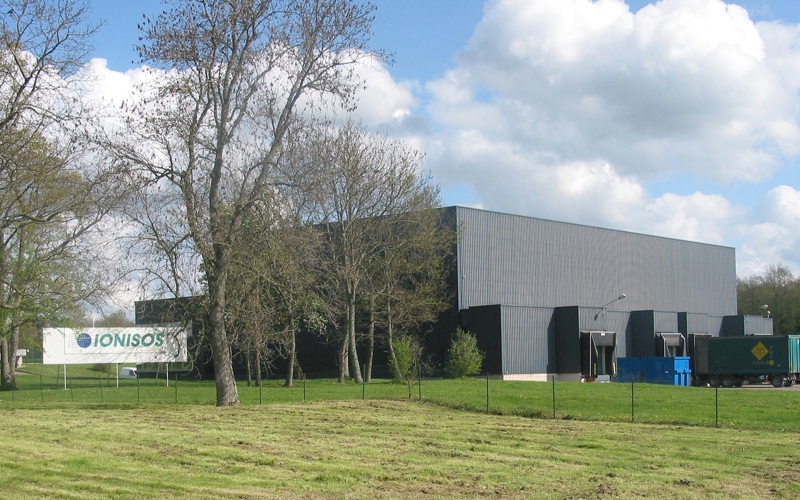
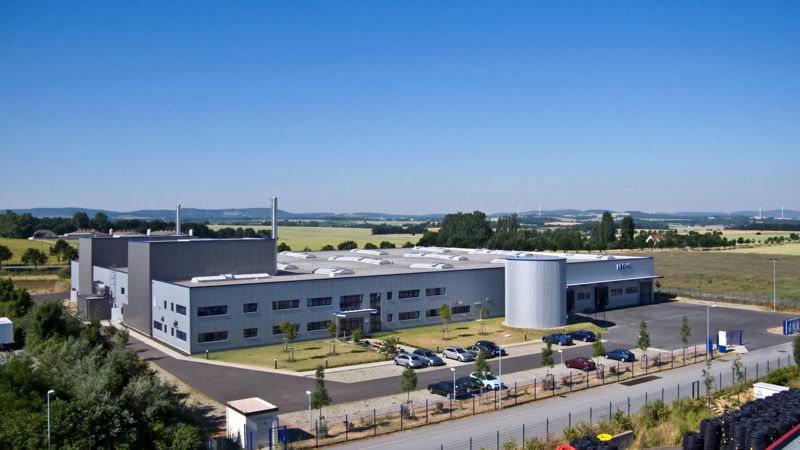
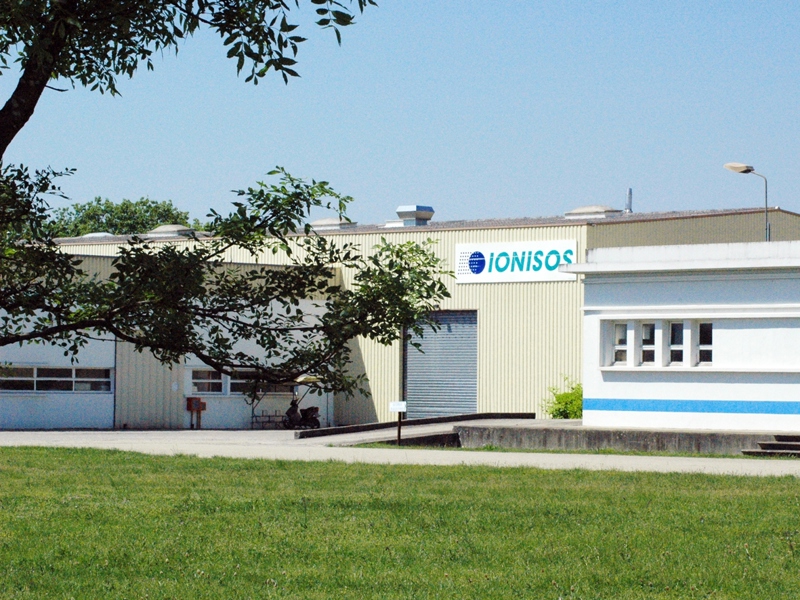
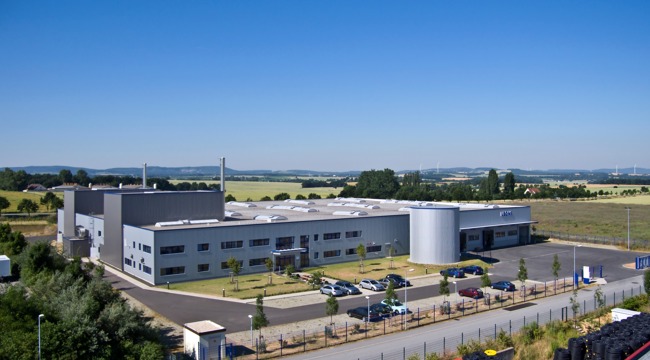
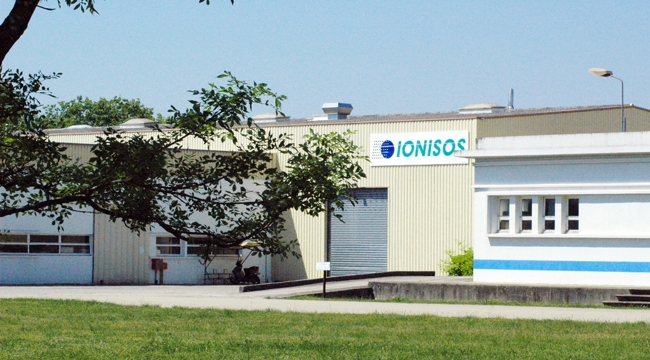
Ionisos is a leading owner and operator of cold sterilisation facilities servicing the medical and pharmaceutical industries. Established in 1993 in France, Ionisos is one of the largest cold sterilisation providers globally and operates a network of 10 facilities in Europe with market leading positions in France and Spain. It has over 250 employees and a highly diversified customer base of around 1,000 customers.
Ionisos delivers a mission-critical, non-discretionary service for customers, for whom cold sterilisation is an essential component of the manufacturing process. It is typically applied to single use products that would be damaged by the heat and/or humidity of hot sterilisation methods.
Recent developments
Ionisos performed slightly below expectations, primarily due to delays to the completion of the company’s new French X-Ray plant and expansion of its German EO plant. Despite these delays, revenues increased 7% year-on-year and the long-term outlook remains positive.
We strengthened the management team further in April 2026 with the appointment of a new CEO.
Investment rationale
3i Infrastructure acquired Ionisos in September 2019, having committed to invest in July 2019.
- Diversification of 3i Infrastructure’s sector exposure and increased presence in the French market
- Sound market fundamentals with non-cyclical drivers, including an ageing population in Western Europe
- Growing demand for healthcare services increasingly relying on single use medical equipment
- Increasingly stringent regulation governing the sterilisation of medical, pharmaceutical and cosmetics products
- High barriers to entry
- Platform potential with growth opportunities organically and through M&A
Sustainability
Ionisos supports public health by providing sterilisation of medical devices, ensuring that single use products are safe for medical use. Ionisos was one of the first two companies in the 3i Infrastructure portfolio to set an SBT (science-based emissions reduction target) through the Science Based Targets initiative (SBTi). This was achieved via the SME pathway which requires a 42% reduction in Scope 1 and 2 emissions to 2030 from a 2021 baseline, and a requirement to measure and reduce Scope 3 emissions. Ionisos plans to achieve this by improving electricity sourcing (e.g. from renewables), and reducing natural gas consumption on EO sites.
Key facts> 250 employees10 facilities>1000 customers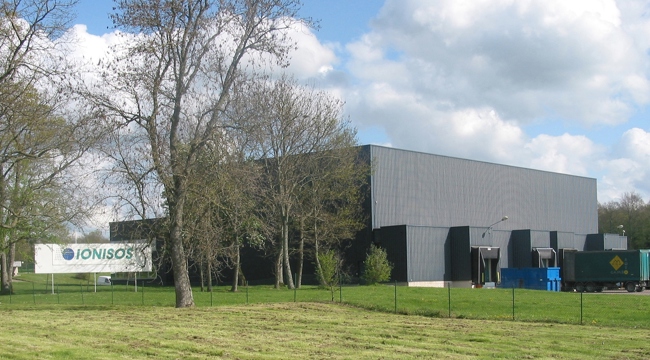
-

Joulz
BeneluxEnergy
Energy transition
Overview
Joulz is a leading owner and provider of essential energy infrastructure equipment and services in the Netherlands, Belgium and Italy. Joulz serves approximately 21,000 industrial, commercial, and public sector clients with its solutions, that encompass realization, maintenance, management, and leasing of energy infrastructure equipment.
Joulz’ service offering includes mid-voltage infrastructure (owning and leasing transformers, switchgear and cables under long-term contracts), storage (owning and leasing large scale battery storage systems under mid- to long-term contracts), solar (large-scale installations under operational lease or with government-subsidized PPAs), metering (owning and leasing 50,000 electricity and gas meters under mid-term contracts) and EV charging (AC and DC charge points in mid-term exploitation, rental or CPO contracts). Additionally, it provides integrated solutions to address energy transition challenges such as grid congestion.
Recent developments
Joulz performed in line with expectations during the year, supported by long-term contracted revenues and the completion of new installations. Demand for its behind-the-meter (‘BtM’) integrated energy solutions remains strong, driven by customers seeking to decarbonise their operations and to address constraints arising from electricity grid congestion.
In Q1 2026, Joulz completed the acquisitions of the Italian and Dutch divisions of Centrica Business Solutions (‘CBS’) and Engie’s Belgian commercial and industrial (‘C&I’) solar rooftop business.
CBS designs, installs, finances and maintains BtM energy infrastructure for C&I customers under long-term contracts, including combined heat and power plants, solar rooftop and microgrids. The business manages c.280MW of energy assets. The acquisition will broaden Joulz’s solution offering to include heat, for which it is seeing increasing demand.
Engie’s Belgian C&I solar business is the largest C&I-focused solar rooftop portfolio in Belgium, comprising c.112MWp of operational, ready-to-build and under-construction installations under long-term contracts with a blue-chip customer base. Joulz sees material opportunities to offer its broader suite of BtM energy infrastructure solutions to this existing customer base, as well as to other Belgian C&I customers.
These two acquisitions increase Joulz’s proforma EBITDA by c.70%, add heat capabilities to its portfolio of solutions, and materially advance Joulz’s strategy to expand into other attractive European markets by establishing scale platforms in Italy and Belgium - two of Europe’s most attractive BtM energy infrastructure markets. Joulz is also seeing demand from existing customers to support them in additional countries, and the enlarged Joulz group will be well positioned for this.
To support completion of the two acquisitions and continued investment in Joulz’s significant organic growth pipeline, 3iN provided Joulz with additional funding of €107 million.
Investment Rationale
3i Infrastructure acquired Joulz in April 2019, having committed to invest in March 2019.
- Strong established asset base as well as good potential for growth
- Joulz is set to benefit from the Dutch government’s commitment to decarbonise the economy (the ‘Energy Transition’)
- The Energy Transition is expected to increase electricity consumption and demand for Joulz’s equipment and services
- 3i Infrastructure has relevant experience from investing in the Netherlands and previous investments in the electricity and leasing sectors
Sustainability
In 2023 Joulz installed solar capacity of 14MWp taking cumulative owned capacity to 36MWp by the end of the year. The business is also investing in battery storage systems and EV charging infrastructure. These offerings combined with traditional energy infrastructure (such as transformers and meters) have enabled Joulz to become a leader in providing integrated solutions to businesses in the Netherlands.
Key factsc.260 employeesc.21,000 customers in NL, Belgium and ItalyOperates c.53,000 metering assets, c.18,000 medium-voltage assets and c.6,000 EV assets
-

Lefdal Mine Datacenter
NorwayCommunications
Digitalisation
Overview
Lefdal Mine Datacenter (‘LMD’) is a large-scale underground data centre campus on Norway’s west coast. Developed within a former mine, the facility benefits from structurally lower capex and an ability to provide customers with access to low-cost hydroelectric power through a unique fjord-based cooling system, delivering industry-leading energy efficiency.
LMD provides secure, dedicated capacity to customers for high performance, data intensive workloads. This is supported by long-term, availability-based contracts and significant expansion potential within its existing infrastructure.
Investment rationale
In 2026, 3i Infrastructure plc invested c.€263m in LMD, a high-quality Norwegian HPC-focused data centre campus
- Unique, scalable, energy-efficient data centre platform in a high-growth market
- Well-positioned to capture growing demand from high-performance and data-intensive workloads, driven by digitalisation and increasing compute intensity across customer segments
- Benefits from structurally lower capex costs and the ability to offer customers low-cost renewable hydro power and highly efficient cooling infrastructure, supporting attractive unit economics
- Provides customers with mission-critical infrastructure under long-term, availability-based contracts, delivering high revenue visibility and resilience
- Scalable campus with significant expansion capacity within existing site, enabling growth alongside increasing customer demand in an attractive Nordic data centre market
Sustainability
LMD’s underground data centre is powered predominantly by renewable hydroelectric energy, supporting customers in reducing the carbon intensity of compute-intensive workloads. The facility benefits from access to naturally cold fjord water and a stable underground environment, enabling highly efficient cooling with reduced reliance on traditional mechanical systems and low water consumption.
LMD also benefits from its location within the Nordic power market, which provides access to competitively priced renewable energy. These characteristics support the long-term, scalable and sustainable development of digital infrastructure, including high-performance computing and AI applications.
Key facts80 MW of capacity€301m expected investment11 years average contract length


-

Oystercatcher
SingaporeTransport & logistics
Other critical infrastructure
Overview
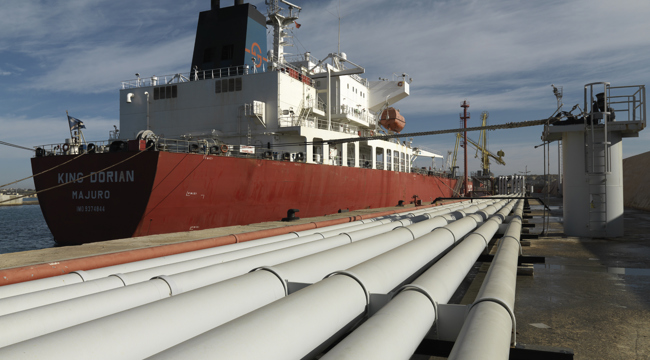
Oystercatcher is the holding company through which the Company holds a 45% interest in Advario Singapore Limited (previously Oiltanking Singapore Limited).
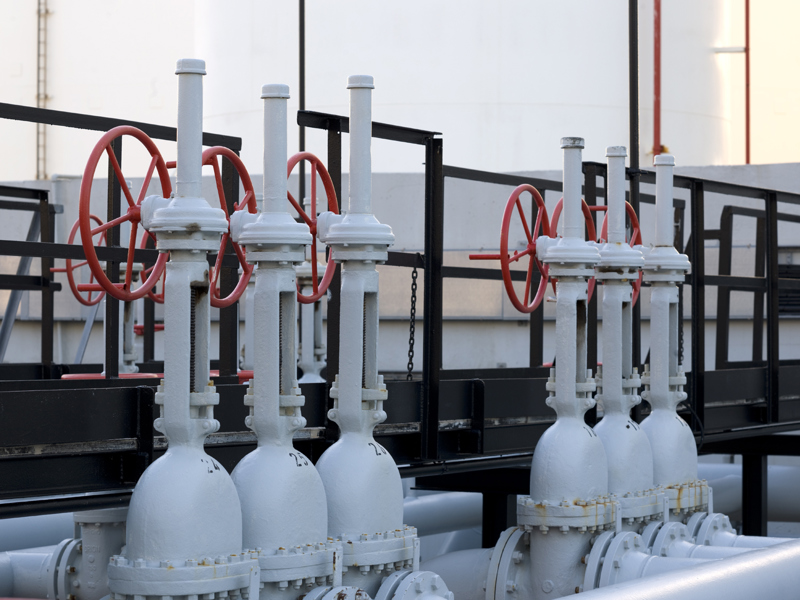
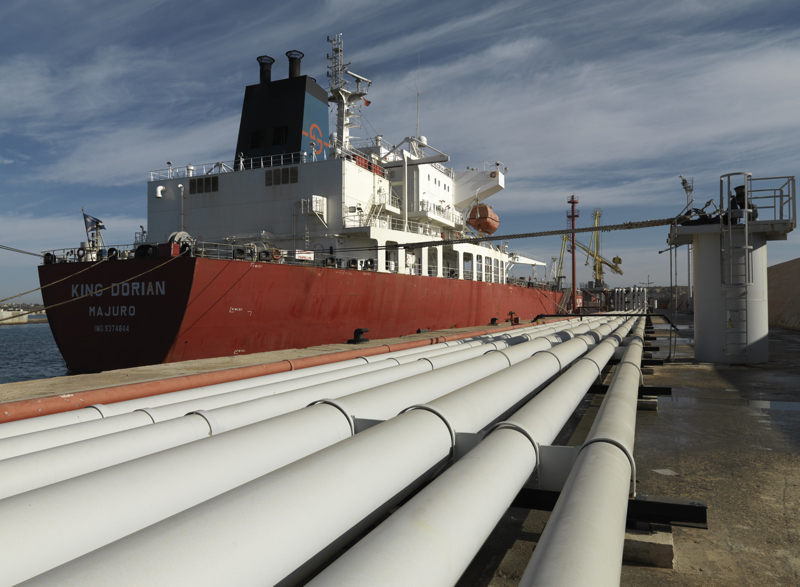
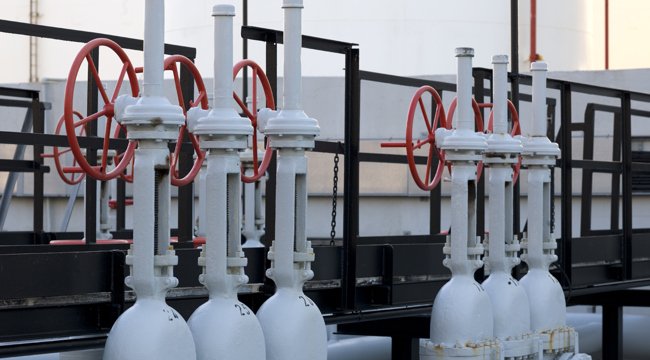
Advario Singapore is a 1.3 million cubic metre facility focused on storage and blending of refined clear petroleum products for a range of blue chip customers. With a premier location, on Jurong Island, it is accessed by pipeline, sea going vessel and barge.
Oiltanking is one of the world’s leading independent storage partners for oils, chemicals and gases, operating 41 terminals in 18 countries with a total storage capacity of 16 million cubic metres.
Recent developments
Oystercatcher’s 45%-owned terminal, Advario Singapore (‘ADS’), delivered a strong performance during the year, materially exceeding expectations. Elevated levels of customer activity drove higher revenues from throughputs and provision of ancillary services, supplementing the bulk of revenues which are derived from take-or-pay storage contracts. Contract renewals secured in 2025 were agreed at higher storage rates and with longer tenors than the prior year, reflecting robust demand for ADS’s gasoline storage and blending capabilities.
Market conditions in Singapore remain favourable, with limited uncontracted storage capacity across the sector. The strength of the market is underpinned by the Asia-Pacific region being in a structurally short position in gasoline, as regional refining capacity is insufficient to meet the region’s growing demand. This structural imbalance is expected to persist in the medium to long term.
Since May 2023, ADS has also been active in the storage and blending of sustainable aviation fuel (‘SAF’) for supply to local markets and for export further afield. Policy developments in Singapore are supportive for the ongoing development of the SAF industry in Singapore with the announcement by the Singapore Government of the introduction of a SAF levy on air fares for flights departing Singapore from January 2027. The company is actively engaging with customers to support their renewable fuel strategies and to capture further opportunities in the energy transition.
Sustainability
Advario Singapore has recently converted storage facilities to enable sustainable aviation fuel (‘SAF’) storage, and supported its first SAF storage customer. This has provided the business with a first mover advantage in the SAF storage market in the region, and Advario Singapore is well placed to capture additional SAF storage demand in the future, as the market evolves.
Key facts1.3 million cubic metre facility45% ownership
-

SRL Traffic Systems
UKTransport & logistics
Renewing essential infrastructure
Overview
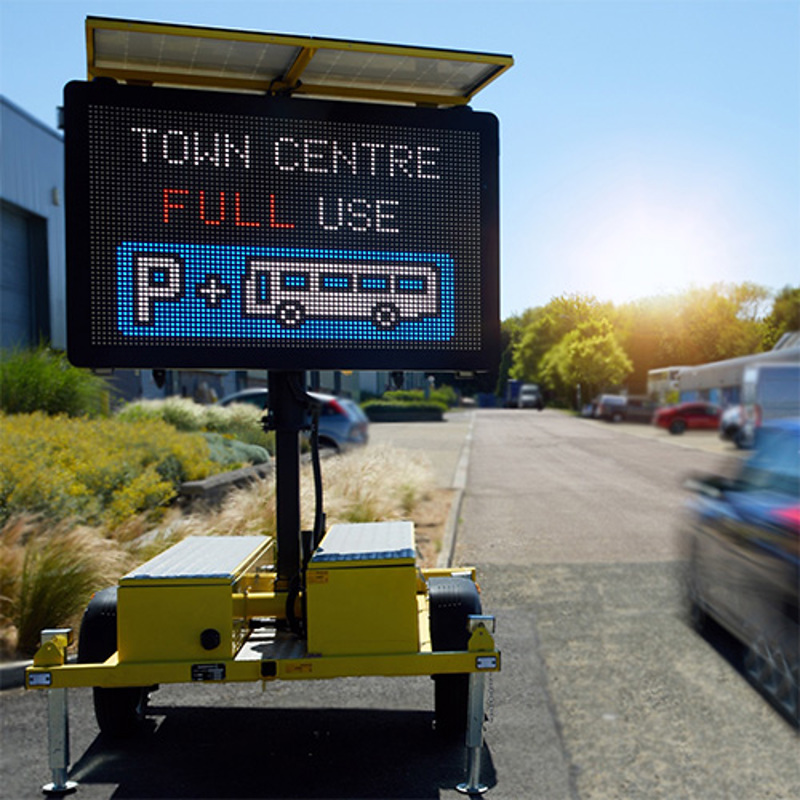
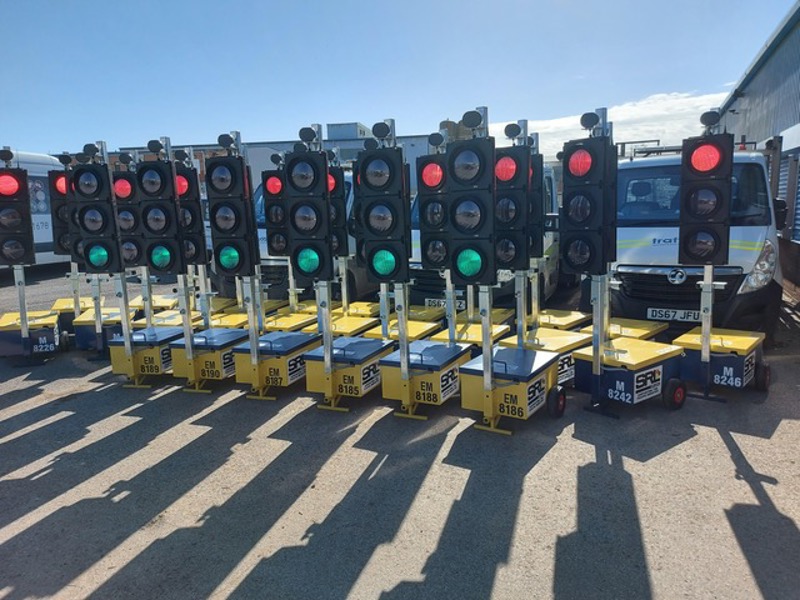
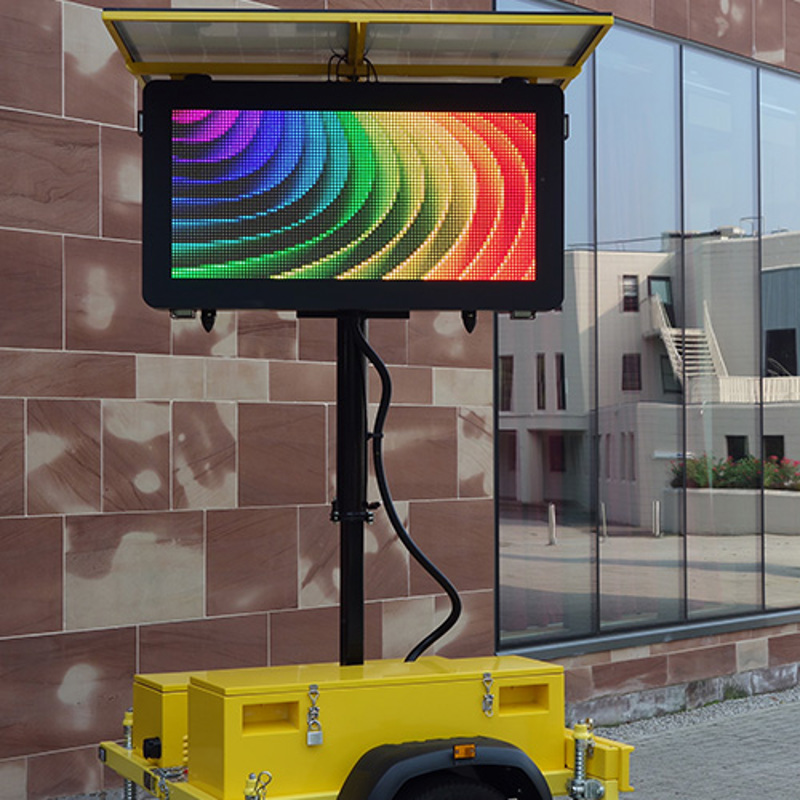
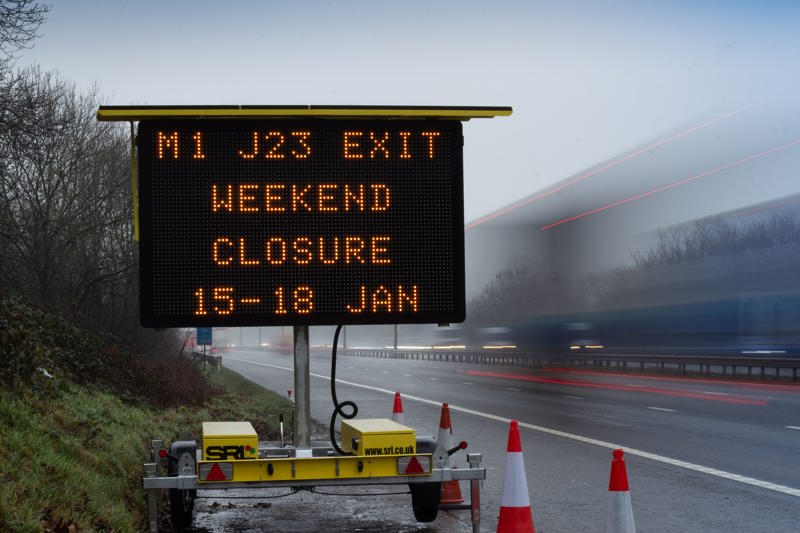
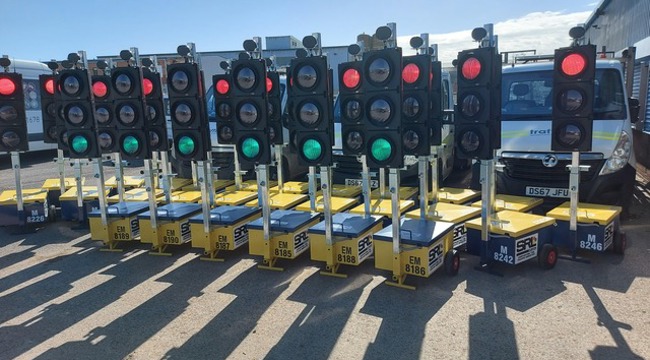
SRL, is the market leading temporary traffic management equipment (“TTE”) rental company in the UK. SRL offers its customers a full-service rental solution, which includes the planning and design of traffic management systems, installation, maintenance and integration with existing systems, as well as direct sales of equipment manufactured by SRL.
SRL’s market-leading reputation is supported by its national depot network, providing a 24/7, 365 days a year service on which customers rely for quick deployment and reactive maintenance work.
Recent developments
SRL performed below expectations, with forecast growth not materialising during the year. This primarily reflects continued constraints on local authority spending, which have reduced overall market activity and increased competitive intensity, particularly in lower-cost segments. We have taken a cautious view on the pace of recovery in our updated valuation.
In response to these headwinds, a new management team was appointed in H1 2026 to strengthen SRL’s commercial offering, improve operational performance and build greater resilience to competitive pressures.
REMOS, the company’s remote monitoring solution, has progressed from pilot deployments into early commercial rollout and remains a strategically important initiative. While adoption has been slower than initially anticipated, customer engagement remains strong. REMOS is expected to enhance SRL’s proposition over time, supporting improved service delivery and offering a differentiated solution as the market recovers.
Investment rationale
3i Infrastructure acquired SRL in December 2021.
- TTE is mission-critical to the safe use of roads
- SRL fits with the Company’s strategy of investing in companies with leading market positions and barriers to entry, yet with operational levers to achieve attractive returns for shareholders through active asset management
- SRL has sound market fundamentals through the increasing emphasis placed on health and safety, and a growing propensity to rent rather than own TTE
- Outsourcing ownership of TTE makes economic sense for traffic management companies, as it allows them to more efficiently manage maintenance and utilisation
- SRL has a market leading reputation and is trusted by its customers
Sustainability
SRL's temporary traffic solutions enable greater segregation and control of traffic flows, in turn improving safety and reducing congestion around roadworks. This improves satisfaction for road users and local communities and reduces pollution. In addition, focus is being placed on health and safety through the use of more sophisticated methods of traffic management to protect highway workers and segregate traffic, cyclists and pedestrians
Key facts24/7 service with access to any location within two hours30 strategically located depots in the UKc.13,000 pieces of equipment under full service contracts



-

Tampnet
NorwayCommunications
Digitalisation
Overview
Tampnet is the leading independent offshore communications network operator in the North Sea and the Gulf of Mexico. It is headquartered in Norway, with operations in the UK, Scandinavia, Netherlands and the USA.
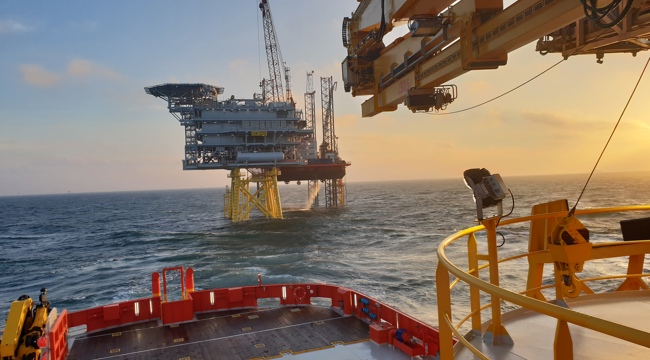
Tampnet provides high speed, low latency and resilient data connectivity enabling the digitalisation of offshore industries. Its unique network includes over 5,400km of fibre optic cables, 200 microwave links, 600,000 km2 of 4G/5G coverage and connects to 40 data centres in 12 European and American cities and central hubs. It operates across four main business areas: fixed installations, mobile rigs and vessels, roaming for offshore workers and international onshore carriers. The majority of its business involves providing fixed fibre links to the offshore energy industry with significant growth coming from emerging digital use-cases and new offshore markets.
Recent developments
Tampnet delivered performance ahead of expectations, achieving EBITDA outperformance despite challenging conditions in the UK North Sea. Demand for high-capacity connectivity continues to grow, driven by AI-enabled operations, robotics and predictive maintenance.
Tampnet remains the only independent fibre operator in the North Sea and Gulf of Mexico. While these are mature basins, they continue to offer growth opportunities through connecting new exploration sites and providing digitalisation services. The company is also expanding into adjacent offshore markets, including carbon capture. During the year, Tampnet signed a project with Porthos in the Netherlands and is working with other customers on connectivity solutions for planned carbon capture, usage and storage developments.
Fibre remains the preferred backbone for mission-critical offshore connectivity, with low Earth orbit (‘LEO’) solutions emerging as a complementary layer for resilience and non-critical traffic. Tampnet’s integrated fibre and LEO offering supports customer retention, enables upselling and broadens its addressable market. The Private Networks segment continues to grow, with 27 networks installed and contracts secured for a further 22.
Investment Rationale
3i Infrastructure acquired 50% of Tampnet in March 2019 alongside Danish pension fund ATP, having committed to invest in July 2018.
- Tampnet’s fibre optic links provide customers with mission-critical reliable communications
- Benefits from the growing requirement for high bandwidth and low latency in data networks
- More than 50 customers including oil and gas operators, offshore service providers and telecom operators
- Opportunity to grow into new segments such as offshore wind, commercial vessels and the point-to-point carrier segment
Sustainability
Tampnet is leveraging its infrastructure and expertise in connectivity and digitalisation to support an array of growing sectors offshore. This year Tampnet has entered the carbon sequestration market by supporting a number of North Sea projects in their design phase, enabling them to connect to Tampnet's network as soon as they go live. Additionally, Tampnet acquired dasNetz, a leading provider of offshore wind connectivity in the German part of the North Sea, as part of a strategy to continue expanding in offshore wind and renewables.
Key facts1,200km offshore cable system acquired in 2020>50 customers in multiple sectorsWorld’s largest offshore high-capacity communication network
 Deal teamView bioBernardo Sottomayor
Managing Partner, Head of European Infrastructure
Europe / InfrastructureView bioOscar Tylegård
Partner
Europe / InfrastructureView bioChris Rowland
Director
Europe / InfrastructureView bioAlexi Kirilenko
Director
Europe / InfrastructureView bioLorenz Woelfel
Associate Director
Europe / InfrastructureView bioMarkus Abeler
Senior Associate
Europe / Infrastructure